Exploring the Wonders of Burj Al Khalifa
Intro
The Burj Al Khalifa, standing tall in the heart of Dubai, is not merely a building; it is a testament to human innovation and ambition. This towering structure has become a symbol of luxury and modernity, captivating millions with its grand facade and cutting-edge design. In this exploration, we will unravel the intricate layers that define the Burj Al Khalifa. From its architectural brilliance to its socio-economic impact, every angle reveals a different story, each as compelling as the last.
Dubai has transformed dramatically over the years, evolving from a modest fishing village into a bustling metropolis. The Burj Al Khalifa is at the center of this metamorphosis, marking a new era for real estate and tourism in the region. As we engage with the various facets of this magnificent design, we will also dissect how it has shaped not only the skyline of Dubai but also the culture and economy of the area.
Let us begin by delving deeper into the Market Trends surrounding this architectural marvel.
Preface to Burj Al Khalifa
The Burj Al Khalifa stands as a symbol not only of architectural achievement but also of a groundbreaking transformation in Dubai. This towering structure is more than just the tallest building in the world; it epitomizes a paradigm shift in how architecture and urban design can redefine a city's identity and prominence on the global stage. Understanding the Burj Al Khalifa offers deep insights into the ambitions of a nation striving for excellence, making it a vital topic in this exploration.
The Icon of Modern Dubai
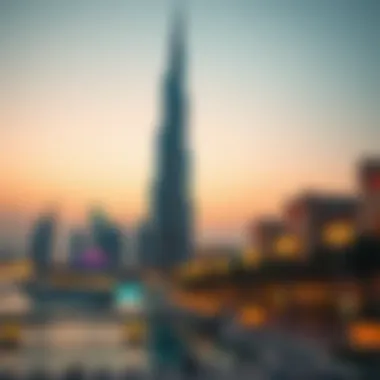
When it comes to contemporary landmarks, few rival the prestige of the Burj Al Khalifa. Its sleek silhouette dominates the Dubai skyline, a constant reminder of human creativity meshed with advanced engineering. Towering at an astounding height of 828 meters, it has not only ignited the imaginations of architects across the globe but also has become synonymous with modern Dubai’s ambitious vision. The Burj Al Khalifa is often referred to as a beacon of hope and prosperity, drawing tourists and investors alike.
This building captivates the eye and stirs the soul. Each of its floors serves a purpose, from offices to residences and luxury hotels. Its presence in Dubai is irrefutable; it stands as a testament to the extraordinary journey taken by this city from a modest trading post to a thriving metropolis revered worldwide. The Burj is not merely an aesthetic marvel; it represents the resilience and aspirations of a culture that has embraced progress without losing its roots.
A Brief Historical Overview
The inception of the Burj Al Khalifa traces back to the early 2000s, where its blueprint emerged amidst a booming development period in Dubai. Originally known as Burj Dubai, the name change came as a tribute to the ruler of Abu Dhabi, Sheikh Khalifa bin Zayed Al Nahyan, who provided crucial financial support during its construction. Groundbreaking for the tower took place in January 2004, and it faced considerable challenges ranging from economic recessions to engineering hurdles.
Completed in 2010, the Burj Al Khalifa's construction involved over 12,000 skilled workers and 103,000 tons of structural steel. The project was a colossal endeavor, requiring innovative approaches to not just design but also to resource allocation and labor management. This historical building now stands not only as a physical structure but as a narrative of ambition, innovation, and collaboration. Its story reflects the broader tale of Dubai’s ambitious rise, embedding itself into the fabric of the city and its people.
In essence, as one delves deeper into the complexities and significances of the Burj Al Khalifa, a timeline unfolds, rich with both triumphs and lessons that are indispensable for current and future investors, expats, property agents, managers, and buyers.
Architectural Design
The architectural design of the Burj Al Khalifa is not simply about aesthetic appeal; it represents an intersection of art, culture, and advanced technology. In a city where the skyline is an ever-vibrant conflation of the old bazaar traditions and modern megastructures, the design of this towering monument serves more than just its purpose as a building. It acts as a statement of aspirations, ambitions, and innovation at its finest.
Conceptualization and Inspiration
The conceptualization of Burj Al Khalifa stems from a combination of cultural influences and environmental considerations, primarily inspired by Islamic architecture. The design echoes the minarets found in mosques, exhibiting a delicate balance between modernity and tradition. An architect named Adrian Smith played a pivotal role in shaping this development.
A striking feature is the triple-lobed footprint, which conveys the petals of a desert flower when viewed from above. This blossoming pattern is more than just a visual delight; it effectively segments the building's elevation, creating a harmonious transition between various levels. The dedication to local heritage plays a crucial role in its structure, connecting the building to the rich historical tapestry of the region.
"The Burj Al Khalifa not only reshaped Dubai's skyline but also redefined how architectural narratives can intertwine with cultural identities."
Structural Innovations
Engineering feats blend seamlessly with architectural elegance in this skyscraper. The Burj Al Khalifa employs a unique structural system known as the 'buttressed core.' This innovative design optimizes stability while allowing it to reach incredible heights without jeopardizing safety or functionality. The building consists of reinforced concrete and a high-strength steel framework, drastically enhancing its ability to withstand strong winds and seismic activity.
Moreover, the innovative elevator system developed for this structure holds the record for the world’s highest observation deck. Each of its 104 elevators can ascend at a staggering speed of six meters per second, further exemplifying the engineering prowess behind the building. These structural innovations not only add to the functionality of the tower but also encapsulate the progressive spirit of Dubai.
Key Design Elements
Several key design elements tie into the overall architectural narrative. The exterior of the Burj Al Khalifa is clad in a reflective glass and a curtain wall system, allowing it to reflect sunlight beautifully while insulating the interior. This design ensures energy efficiency, minimizing the need for artificial cooling in the sweltering Dubai heat.
In the interior, the lobby showcases intricate Islamic patterns, luxurious materials, and a grand chandelier that expresses opulence. Each element, from the hand-crafted decorations to the blend of colors, tells a story rooted in the rich heritage of the UAE.
- Sustainable Features:
- Visual Impact:


- Water-efficient landscaping
- Energy-saving technologies
- Skyline dominance
- Reflective surfaces that play with sunlight
Ultimately, the architectural design of Burj Al Khalifa encapsulates an unprecedented narrative of cultural identity, technological advances, and artistic expression, making it a primary focus of exploratory discussions among investors, expats, agents, and anyone captivated by modern architecture.
Engineering Feats
The Burj Al Khalifa stands tall not just because of its height, but also due to the remarkable engineering feats that underpin its existence. These engineering innovations ensure that the structure can withstand a myriad of stresses, from shifting winds to earthquakes. In discussing engineering feats, it’s vital to acknowledge that architecture and engineering are two sides of the same coin; one cannot claim dominance without the other. The Burj features cutting-edge technologies and advanced materials, showcasing an intricacy that goes well beyond mere aesthetics.
Materials and Techniques Used
The construction of the Burj Al Khalifa involves a symphony of materials, selected for their strength, durability, and sustainability. The core of the building, vital for providing structural integrity, is composed of reinforced concrete, which alone can stand bananas high. This material is complemented by glass and aluminum cladding, giving the facade its reflective brilliance and modern appeal.
Furthermore, the concrete mix was specially developed to handle the harsh conditions found in the Middle East. It contains additives that help it cure quickly and withstand extreme temperatures. The choice of material serves not just practicality but also reflects local environmental considerations, keeping the structure cooler under Dubai's blazing sun.
- High-Strength Concrete: The primary material for the structural core.
- Glass and Aluminum Cladding: Adds aesthetic appeal and thermal efficiency.
- Innovative Mixing Techniques: Tailored concrete solutions for desert conditions.
The construction methods also contribute significantly to the building’s endurance. For instance, a technique called "slipforming" was employed, allowing the core to be built continuously. This method maximizes efficiency, enabling workers to create upwards at an astonishing rate, all while maintaining the structure's resilience against external forces.
Safety Measures and Sustainability
Safety in skyscraper engineering cannot be overstated. The Burj Al Khalifa incorporates a range of safety measures, ensuring not only structural stability but also the safety of its occupants. With the potential for human error or unpredictable environmental factors, redundancy is built into the design. A sophisticated fire safety system is installed throughout the building, featuring advanced sprinklers and smoke vents that respond automatically in emergencies. Each floor has clear evacuation routes, and the elevators are designed to function even in the event of power outages.
Moreover, sustainability is woven into the fabric of the Burj's engineering ethos. Water conservation is a priority; it features a condensate recovery system that captures and reuses water from air-conditioning systems. The building also deploys energy-efficient glass to minimize heat gain. This proactive approach not only addresses environmental concerns but also reduces operating costs over time, a win-win for investors and residents alike.
"In architecture, as in any other area, breakthroughs often stem from combining established techniques with fresh perspectives. The Burj Al Khalifa is a testament to this philosophy."
Ultimately, the engineering feats that comprise the Burj Al Khalifa are a blend of innovation, safety, and sustainability, combining to create not just a building, but a landmark that defines modern engineering excellence. Its towering presence continues to inspire engineers and architects and serves as a benchmark for future developments around the globe.
Burj Al Khalifa as a Cultural Symbol
The Burj Al Khalifa stands tall as not just an architectural wonder, but also a significant cultural symbol within the landscape of Dubai and the broader Middle Eastern region. It encapsulates the aspirations of modernity and innovation while resonating with the heritage of the Emirate. By observing its role in shaping local culture and its representation in various forms of media and art, one can comprehend its profound impact.
Impacts on Local Culture
The presence of the Burj Al Khalifa has transformed Dubai into a global icon, and its influence permeates through various levels of local culture. The tower has become a source of pride for the residents, often referred to as a beacon of the city’s rapid growth. This skyscraper is not merely a tourist attraction but a centerpiece that inspires community gatherings and local events.
The Burj Al Khalifa hosts various cultural festivals, art exhibitions, and light shows that celebrate Emirati traditions as well as international art forms. The light and sound displays during these events frequently depict stories from the UAE’s rich history, thereby strengthening the identity of the local populace. Furthermore, it invites local Emirati artists to present their work, fostering a blend of modern architectural magnificence with traditional artistic expression.
Moreover, the sheer scale of the Burj Al Khalifa serves as a continuous reminder of Dubai’s ambitions on the world stage. This structure encourages a shift in local perspective regarding what is achievable, motivating young Emiratis to dream big and pursue careers in architecture, design, and engineering. The aspirations inspired by the Burj Al Khalifa extend beyond the immediate community, impacting educational dialogues among schools and institutions throughout the region.
Representation in Media and Arts
The Burj Al Khalifa's stature has led to its pervasive representation in various media forms, solidifying its status as a cultural symbol. The media coverage of this towering structure has been extensive, from documentaries that showcase the engineering behind it to feature films that highlight it as an iconic backdrop.
In multiple movies and shows, the Burj Al Khalifa appears not just as a setting but as a character that encapsulates the spirit of modern-day Dubai. For instance, in the film "Mission: Impossible – Ghost Protocol," the building plays a vital role in the thrilling narrative, presenting the architectural marvel to a global audience and embedding it within popular culture. The exposure these media portrayals bring leads to a greater awareness and appreciation of the structure, driving tourism and investor interest in the region.
Art also pays homage to the Burj Al Khalifa. Local artists and photographers capture the tower in various lights, angles, and perspectives, showcasing its grandeur against the backdrop of desert sunsets and vibrant city life. Galleries frequently display these works, exhibiting the relationship between contemporary architecture and cultural identity. Street art and installations can even be seen in the vicinity, echoing the sentiments of ambition and progress associated with the building.
As a focal point in Dubai, the Burj Al Khalifa continues to evolve, shaping culture in ways that reflect both tradition and modernity. This duality—rooted in the past yet reaching toward the future—offers a rich narrative for both locals and visitors alike.
Economic Influence
The Burj Al Khalifa does not merely stand as a towering symbol of architectural brilliance; it plays a pivotal role in Dubai's economic landscape. Its influence stretches across multiple facets, significantly affecting tourism, real estate, and investment opportunities. When discussing economic spheres, one cannot overlook the potential revenue generation, job creation, and overall stimulation of local businesses surrounding this magnificent structure.
Tourism and Real Estate Growth
Tourism, a critical component of Dubai’s economy, has received a considerable boost from the Burj Al Khalifa. As the tallest building in the world, it attracts millions of visitors each year, keen to experience the breathtaking views from its observation decks and revel in its architectural marvel. The sheer scale of the structure and the meticulous details in its design create a compelling reason for tourists to flock to Dubai. This influx of visitors not only benefits hotels, restaurants, and entertainment venues but also leads to sustained investment in infrastructure and services designed to accommodate tourists.
- Visitor Statistics: Each year, the Burj Al Khalifa draws around 1.5 million visitors, contributing significantly to ticket sales and local spending.
- Hotel Demand: High-end hotels such as Armani Hotel Dubai, located within the tower, directly benefit from this rising foot traffic, leading to increased occupancy rates.
- Local Business Impact: Souks and markets nearby see a surge in sales as visitors explore the surrounding areas, contributing to the overall economic vitality of Dubai.
The real estate market also feels the ripple effects of the Burj Al Khalifa’s presence. Properties in the vicinity often see their values increase, motivated by the desirability of living near such an iconic structure. The demand for luxury apartments, commercial spaces, and retail developments around the tower reflects a broader trend where unique architectural landmarks drive real estate growth. A few points of interest in this context are:
- Rising property prices near the Burj, making it a coveted area for buyers and investors.
- Development of luxury condos and office spaces as a response to market demand.
- Ongoing projects that highlight a commitment to meeting the lifestyle needs of affluent residents and businesses.
Investment Opportunities Around Burj Al Khalifa
Investors are keenly interested in the potential that surrounds the Burj Al Khalifa. It’s not only a towering achievement in terms of design and height but also a beacon of economic opportunity. With its centralized location in Downtown Dubai, it facilitates easy access to key amenities, making the area a focal point for business ventures and retail opportunities.
- Commercial Spaces: With many corporations seeking prestigious addresses for their offices, properties near the Burj command a premium price, attracting international businesses.
- Retail Development: Shopping experience offerings have flourished, with the Dubai Mall nearby housing some of the world’s most luxurious brands. This high-end retail environment creates opportunities for emerging brands to establish themselves in a bustling market.
- Event Spaces: The potential for hosting major events around the Burj Al Khalifa, such as exhibitions or corporate gatherings, has expanded, providing not just immediate economic benefits but long-term brand visibility for involved companies.
As a corollary, the Dubai government’s proactive measures in enhancing infrastructure ensure that future investments remain attractive. This forward-thinking approach fosters an environment ripe for entrepreneurship.
"The Burj Al Khalifa is not just a landmark; it's a catalyst for economic dynamism, ushering in growth and opportunity in this thriving metropolis."
In summary, the Burj Al Khalifa does more than scrape the skies; it shapes the very fabric of Dubai's economy. With tourism flourishing and real estate soaring, the overall economic influence of this monumental structure remains undeniable, paving the way for promising investment avenues.
Visitor Experience
The visitor experience at Burj Al Khalifa plays a crucial role in understanding the overall significance of this monumental structure. Beyond its architectural grandeur, it offers a multi-dimensional encounter that shapes visitors’ perceptions and memories. Many wanderers step into the building not just to marvel at its height but to soak in the lavish aura that surrounds it. This section dives into what one can expect when visiting this iconic structure—from the breathtaking views to the exquisite dining options.
Observation Decks and Views
Standing at 828 meters, Burj Al Khalifa boasts observation decks sheerly designed for awe-inspiring panoramic views. The At the Top observatory, located on the 124th and 125th floors, is a favorite haunt for tourists. Here, guests can gaze upon the immense stretches of the Arabian Gulf and the sprawling metropolis of Dubai. The sheer scale of the city against the backdrop of the desert is enough to leave anyone speechless.
Imagine yourself stepping into a glass-walled elevator that ascends rapidly, revealing glimpses of the city as it zips upwards. The ride itself is an experience—narrated snippets of Dubai history and the building’s construction add to the anticipation. As the doors slide open, a wave of excitement washes over. Visitors typically jostle for position at the glass railing, each one eager to snap that perfect picture. From this vantage point, one can also spot some of Dubai's other architectural wonders such as the Palm Jumeirah and even the distant Hajar Mountains.
The experience doesn’t stop at breathtaking visuals. Interactive screens also provide insights into what lies beneath and beyond, engaging the audience further. This blend of technology and design augments the emotional impact of the visit and allows guests to connect personally with the city.
Dining and Entertainment Options
After taking in the views, many visitors seek a taste of luxury at Burj Al Khalifa’s dining offerings. The Atmosphere restaurant on the 122nd floor catches the eye of anyone looking for a top-notch dining experience. With its chic design and an extensive culinary menu showcasing the fusion of international flavors, it’s a dining experience that stretches beyond just a meal. The setting itself, with its floor-to-ceiling windows, allows diners to enjoy their dishes while gazing down on the shimmering lights of the city below.
Besides Atmosphere, more casual options can be found within the complex. Café and dining services are designed to cater to a wide range of budgets, ensuring that everyone can find something to their taste. Ranging from light bites to hearty meals, the exquisite selection also includes refreshments that complement the overall experience of being in such a magnificent venue.
Additionally, various cultural events and entertainment options pop up year-round, ensuring that guests never experience a dull moment. Live music events, art exhibitions, or culinary festivals attract both tourists and locals alike, drawing them into the rich cultural tapestry of Dubai.
In summary, the visitor experience at Burj Al Khalifa transcends beyond mere sightseeing. It combines stunning views with fine dining, and cultural engagement to create a memorable encounter that keeps guests coming back for more. Grounded in luxury and tradition, yet forward-looking, Burj Al Khalifa stands as a beacon for future cultural and architectural endeavors in Dubai.
Global Architectural Influence
The Burj Al Khalifa stands as more than just a striking silhouette against the Dubai skyline; it is a beacon of architectural innovation and design philosophy. This monolith not only redefines the boundaries of height in skyscraper construction but also sets a precedent that influences a myriad of architectural trends worldwide. By examining its global architectural influence, one can appreciate how it transcends traditional notions of urban design, embodying a vision that is both futuristic and deeply rooted in the local culture.
Setting New Standards in Skyscraper Design
The Burj Al Khalifa is renowned for pushing the envelope in skyscraper design, both in terms of engineering prowess and aesthetic appeal. The building's incredibly sleek profile, achieved through the clever use of setbacks, helps mitigate wind loads while providing a visually striking form. This curved, spiraled shape draws inspiration from the hymenocallis flower, which not only connects to the local flora but also symbolizes elegance and beauty.


Its height, reaching a staggering 828 meters, is not just for bragging rights; it's a masterclass in vertical living. Structures worldwide look to this building as a benchmark. New skyscrapers often reference its design principles, particularly in the realms of sustainable and adaptable architecture. The height of Burj Al Khalifa has inspired a new generation of architects to dream big, leading to ambitious projects that bridge the gap between livability and skyline-defining aesthetics.
"The Burj Al Khalifa is like a compass for cities aiming to create landmarks that generate a sense of place while pushing engineering limits."
Comparative Analysis with Other Iconic Structures
When lined up against other iconic skyscrapers like the Taipei 101 and One World Trade Center, it becomes evident how the Burj Al Khalifa shifts paradigms in design and functionality.
- Height and Design
- Cultural Integration
- Technological Innovations
- Taipei 101: Once the tallest building in the world, its postmodern style combines traditional Asian architecture with modern elements. It features a distinctive tiered structure that resonates with Taiwan's cultural identity; however, it doesn't reach the heights achieved by Burj Al Khalifa.
- One World Trade Center: A testament to resilience, it combines modern design with symbolic elements. At 541 meters, its height reflects the 1776 feet meant to honor the historical significance; yet, it does not impact the skyline with the same vertical dominance.
- Burj Al Khalifa's connection to the desert environment through its design principles sets it apart. It's not merely about height; it reflects a narrative about Dubai's evolution.
- In contrast, buildings like the Burj Al Arab, which portrays the image of a sail, also serve as cultural symbols but do not reach the heights or functionality that Burj Al Khalifa showcases.
- The use of reinforced concrete and advanced design software in Burj Al Khalifa surpassed what was previously possible. Its mixed-use spaces fully leverage the verticality, inspiring other cities to rethink urban layouts.
As cities worldwide strive to reflect their individual identities through architecture, the Burj Al Khalifa's influence is evident in new projects that seek not only to impress but also to serve their communities. The conversation around skyscraper design is steadily evolving, thanks in part to the foothold established by this remarkable structure.
Future Prospects
Understanding the future prospects of Burj Al Khalifa is essential in grasping not only the tower's significance in the present time but also its potential impact on architectural trends, urban development, and economic growth in Dubai and beyond. As the skyscraper industry evolves, the Burj Al Khalifa remains a reference point, showcasing aspirations that reach toward the clouds. Its ongoing evolution indicates a promising trajectory at both local and global levels, where innovations in design, sustainability, and technology play a pivotal role.
Ongoing Developments in the Surrounding Area
The landscape surrounding Burj Al Khalifa is ripe with change. Developers are continually looking to enhance the area to attract more investments and visitors. Noteworthy projects include the expansion of the Dubai Mall and the construction of lavish hotels and residential spaces nearby. Projects such as the Dubai Creek Tower and the multi-billion-dollar Dubai Creek Harbour will likely bolster the area’s reputation further, allowing it to thrive alongside the Burj Al Khalifa.
Moreover, factors like improved transport systems, green spaces, and cultural venues are becoming integral to the developments.
- The Dubai Metro extension plans aim to facilitate easier access to this iconic landmark.
- New parks and recreational areas are being constructed to enhance the urban environment.
- A growing focus on pedestrian-friendly spaces encourages outdoor activities and tourism.
These developments present tangible opportunities for investors looking to capitalize on the burgeoning urban landscape. There is a significant emphasis on creating a holistic environment that complements the grandeur of the Burj Al Khalifa, making it more accessible and appealing.
Potential of Burj Al Khalifa in 21st Century
Burj Al Khalifa is not merely a building; it’s a testament to human endeavor and design brilliance. As we move further into the 21st century, its relevance continues to morph alongside the shifting landscape of skyscraper architecture and urban living. Here are a few ways its potential is set to unfold:
- Innovation in Design: The Burj Al Khalifa sets benchmarks for future skyscrapers. Architects and engineers frequently study its design principles and technological advancements. Upcoming structures may borrow from its techniques while integrating sustainable materials and smart technology.
- Cultural Relevance: As a symbol of modernity, Burj Al Khalifa continues to represent Dubai’s ambitions. Its role could transition from a mere observation point to a hub of cultural events and experiences, engaging tourists on multiple levels.
- Economic Growth: The Burj Al Khalifa is a driving force behind Dubai’s real estate market, attracting international investors and expatriates. Its future will likely align with the continued economic diversification in Dubai, opening avenues for more business and leisure facilities.
- Sustainability Initiatives: As environmental concerns gain traction, Burj Al Khalifa could serve as a model for sustainability. Integrating advanced energy-efficient systems could further solidify its status as an architectural leader, influencing future constructions to prioritize eco-friendliness.
As long as the Burj Al Khalifa stands, it will inspire awe and ambition. While evolving together with the city, it will remain an architectural hallmark and continue to impact the global skyline for generations to come.
"The true measure of a civilization is if it leaves behind structures that evoke wonder long after they are built.”
For further insights into developments in architecture and urban planning, consider resources such as Britannica and Wikipedia to stay informed.
Finale
When summing up the myriad facets of Burj Al Khalifa, it’s clear that its significance stretches well beyond its towering height. It serves as a beacon not just for architectural prowess but also as a tangible testament to human ambition and innovative spirit. This article explored the intricacies of its design, celebrated its cultural relevance, and highlighted its economic influence on Dubai’s burgeoning real estate market.
Reflections on Its Impact
The Burj Al Khalifa has become synonymous with Dubai itself, symbolizing a city that dares to dream big. The structure represents a fusion of modern engineering and aesthetic excellence, persuading architects and builders around the globe to push the boundaries of what is feasible. Its breathtaking aesthetics captivate visitors, while its role in attracting global tourism cannot be overstated.
For local culture, the Burj Al Khalifa offers not just an architectural landmark, but also a central piece of community identity. It has established itself as a gathering point that brings people together for events, celebrations, and reflections, enhancing social cohesion within the urban milieu.
Final Thoughts
As we consider the future of the Burj Al Khalifa in the 21st century, one can't ignore the potential for continued transformation and influence. While other skyscrapers sprout on the horizon, the Burj remains an emblem of ambition and success, reminding us that innovation is not just a concept but a driving force. Investors and developers looking to Dubai should view this towering structure as more than just an iconic skyline piece; it is a harbinger of opportunities yet to unfold.
In essence, the Burj Al Khalifa is not just a landmark but a living story—one that speaks to the perseverance of the human spirit and the endless possibilities that await when imagination combines with determination.