Architectural Insights into the Al Maya Building

Intro
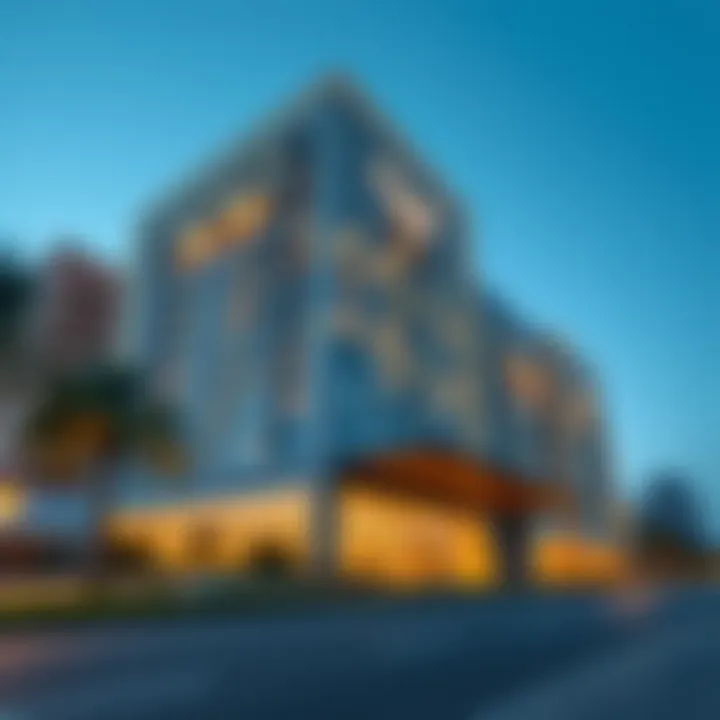
In a city known for its audacious skyline and pioneering architecture, the Al Maya Building stands as a beacon of innovative design and cultural significance. This building doesn’t just serve as a space but is also a landmark that tells a story about Dubai’s evolving identity. By taking a closer look at the architectural features, structural ingenuity, and the cultural essence of the Al Maya Building, we unravel its importance within the city’s real estate fabric.
As the city burgeons with new ventures and architectural marvels, the Al Maya Building occupies a distinctive space, inviting both local and international interest. This piece will uncover how this building shapes the urban landscape while also serving diverse demographics, from expats seeking a place they can call home to investors looking for profitable opportunities. Drawing upon its design principles and how it integrates with its surroundings, we aim to piece together why the Al Maya Building deserves the spotlight in discussions around modern architecture and urban living in Dubai.
Market Trends
Current Market Analysis
Dubai's real estate market is as dynamic as its shifting sands, continually adapting to trends and demands. The Al Maya Building, positioned strategically in this landscape, symbolizes a growing preference for architecture that marries aesthetic appeal with practicality. Investors are drawn in not only due to its striking design but also because it reflects broader market trends towards mixed-use developments that cater to a diverse population.
Reports indicate a rising trend in sustainable architecture, with more buildings focusing on minimizing environmental impact. The Al Maya Building echoes this, prominently featuring energy-efficient technologies and sustainable materials. Additionally, demographic shifts have led to the demand for versatile living spaces that appeal to various cultural backgrounds, further underscoring the building’s relevance in today's market.
Future Predictions
Looking ahead, experts suggest that the real estate market in Dubai will see an increase in high-quality, innovative developments. The Al Maya Building might pave the way for other structures that aim to enhance community engagement and cultural integration. As the government continues to promote initiatives that attract foreign investment, properties like the Al Maya Building are likely to appreciate significantly in value.
Moreover, the focus on urban living suggests a further push for developments that prioritizes connectivity to public transport and urban amenities. What’s more, as the population grows, so too will the demand for unique residential and commercial spaces that offer more than just four walls. The Al Maya Building, with its strategic location and architectural significance, is well-positioned to benefit from these trends.
"The future of Dubai's architecture lies in its ability to adapt to the needs of its population while keeping its cultural roots intact."
Property Investment Insights
Types of Investment Properties
Investors eyeing the Al Maya Building will find a blend of residential and commercial spaces, all under one roof. This mixed-use aspect makes it appealing for multiple investment strategies, including:
- Residential leases: An attractive option for expatriates and local families.
- Office spaces: Tailored for startups and established businesses alike.
- Retail outlets: In high demand due to the building's strategic location and foot traffic.
Financing Options and Tips
Navigating the waters of property investment can be daunting, especially in a thriving market like Dubai. Potential investors should consider diverse financing options, including:
- Mortgage financing: Many local banks offer tailored products for expatriates.
- Cash purchases: Though common, ensure all legalities are managed meticulously.
- Joint ventures: Partnering with local investors can enhance opportunities and spread risk.
Before diving in, investors should seek advice from real estate agents with local expertise, ensuring that they capitalize on the specific opportunities that the Al Maya Building presents.
For those interested in further reading about Dubai’s real estate trends, you can explore resources like Dubai Land Department or Arabian Business.
As we decode the architectural significance of the Al Maya Building, we see that it stands as a reflection of the past, a vessel of present innovation, and a promising harbinger of the future.
Prolusion to Al Maya Building
The Al Maya Building stands as an architectural beacon amidst Dubai's rapidly evolving skyline. It encapsulates a fusion of modern design and traditional influences, making it not only a physical structure but also a narrative of the city's journey. Understanding this building's significance means grasping the intricacies of its design, location, and the societal context it inhabits.
Location and Accessibility
Positioned in the bustling heart of Dubai, the Al Maya Building boasts an enviable location that marries convenience with scenic views. Located just off the renowned Sheikh Zayed Road, it offers unparalleled access to major highways, allowing residents and visitors easy travel throughout the emirate. Surrounding amenities, such as shopping malls, recreational facilities, and cultural hubs, contribute to the building’s appeal. Proximity to the Dubai Metro enhances its accessibility, making it a favorable spot for expats and investors alike who desire connectivity without compromising on lifestyle.
The building's immediate area thrives with vibrant markets, gourmet dining options, and leisure spots, presenting a lively atmosphere that’s characteristic of Dubai. Its location isn't just about being central; it’s strategically positioned to attract both urban dwellers and business professionals, making it a prime investment choice in the competitive real estate sector.
Key Features of Location and Accessibility:


- Close to Major Transport Links: Easy access to metro stations and bus routes.
- Surrounding Amenities: Shopping centers and parks within walking distance.
- Vibrant Neighborhood: Offers a mix of residential life and entertainment.
Historical Context
To truly appreciate the Al Maya Building, one must delve into the historical tapestry that envelops it. Dubai, once a modest fishing village, transformed into a cosmopolitan city in just a few decades, with architecture reflecting this dramatic shift. The Al Maya Building symbolizes this leap—crafted during a period where many structures were debuting modern architectural styles that mirrored the ambitions of the city.
The building’s design incorporates elements that pay homage to traditional Arabic architecture while nodding to contemporary sensibilities. Its creators were inspired by the need to blend cultural heritage with modern functionality. As a result, the Al Maya Building not only signifies an architectural triumph but also serves as a bridge connecting residents and visitors to Dubai's rich history.
"A city's architecture is a reflection of its identity and ambitions. The Al Maya Building embodies Dubai's journey from its humble beginnings to its current stature as a global hub."
The juxtaposition of the Al Maya Building with older structures nearby mirrors the city’s evolution. It stands as a testament to Dubai’s commitment to progress while respecting its roots, making it a significant case study for investors and architects aiming to understand the dynamics of modern urban planning.
This context, combined with its strategic location, marks the Al Maya Building as a noteworthy landmark in Dubai’s architectural landscape.
Architectural Design
The Al Maya Building stands as a testament to the architectural prowess that Dubai embodies. This structure not only enhances the skyline but also reflects modern sensibilities combined with functional design elements. The importance of the architectural design in the context of this article revolves around understanding how form, function, and aesthetics intertwine to create a landmark that captures both attention and imagination.
Whether you’re an investor looking for potential, a buyer scouting for desirable properties, or an architect intrigued by innovative design, this discussion will illuminate the myriad layers involved in the Al Maya Building's formation.
Influences on Design
The design of the Al Maya Building is deeply rooted in its geographical and cultural context. One significant influence is Dubai's unique climate. Architects have considered heat management and the orientation of the building to maximize natural light, aiding in reduced energy consumption. Moreover, the design reflects traditional Arabic motifs, subtly integrated into the exterior facades, offering a nod to cultural heritage while embracing contemporary aesthetics. This blend provides a narrative that speaks to the evolution of architectural thought in rapidly changing urban environments.
Inspiration also roots from global architectural trends, merging sleek lines with organic shapes. The way this building interacts with its surroundings is intentional; it doesn’t appear as an isolated structure but as part of a greater urban tapestry. The design not only caters to functionality but also aims to foster community spaces, engaging residents and visitors alike.
Materials and Techniques
The choice of materials in the construction of Al Maya is not merely aesthetic but strategic. The architects opted for high-performance glass and steel, which are not just visually appealing but also practical. For instance, the reflective properties of the glass aid in minimizing heat absorption, making the building more energy-efficient. The structural steel reduces weight while maximizing strength, allowing for taller and more open designs—qualities that resonate with modern architectural ambitions.
In addition to the main materials, the integration of local resources has been a priority. This choice is twofold: it not only supports the local economy but also ensures that construction practices are sustainable. For instance, local stone varieties have been used in landscaping elements, enhancing the sense of place and belonging.
Sustainability Features
Sustainability is more than just a buzzword in today’s architectural world; it’s a necessity, especially in Dubai’s harsh climate. Al Maya Building incorporates a multitude of sustainable features that highlight its commitment to environmental stewardship.
- Rainwater Harvesting: This system collects rainwater to be used for landscaping, significantly reducing reliance on the municipal water supply.
- Solar Panels: Installed on the roof, these panels contribute renewable energy back into the building, offsetting some of its energy consumption.
- Green Roofs and Vertical Gardens: These not only enhance the aesthetic value but also improve air quality and reduce the urban heat island effect.
"The Al Maya Building is a striking example of how modern design principles can coexist with sustainability, reflecting a commitment not only to architectural beauty but also to environmental responsibility."
Through these features, the Al Maya Building establishes a foothold in sustainable architecture, setting examples that future developments in Dubai and beyond can aspire to.
Emphasizing sustainable design isn’t just a trend; it’s a blueprint for future constructions aiming for a balance between urban living and nature, addressing the growing concerns of residents and investors alike.
Structural Attributes
Understanding the structural attributes of the Al Maya Building is crucial. It offers insight into not just the aesthetics but also the longevity, functionality, and safety of this architectural marvel. The strength and durability of its foundation and framing are paramount, ensuring the building can withstand the challenges posed by Dubai's environmental factors, such as sandstorms and high temperatures. Moreover, the structural design plays a vital role in its user experience and overall usability.
Foundation and Framework
The foundation of the Al Maya Building is engineered to support an imposing structure within an urban landscape. This building’s foundation likely employs a deep foundation system, which means it extends well below the surface. This is particularly important in Dubai, where the geological conditions can be less than forgiving due to soft sand and a high water table.
The material choices for the foundation and framework are not just about strength but also about sustainability. Steel and reinforced concrete are common, allowing for flexibility in design while ensuring stability. Such materials not only withstand the weight of the building but also offer longevity, reducing the need for frequent repairs and maintenance. Furthermore, the framework contributes to the building's resistance to seismic activity, imperative in a region that could experience such natural phenomena.
Height and Floors
From a design perspective, the height of the Al Maya Building is a statement in itself. It rises well above its surroundings, becoming a visual landmark among the Dubai skyline. The building’s multiple levels created in vertically aligned design, encourage multifunctional use. Higher floors often feature panoramic views, attracting both investors and businesses looking for premium office spaces.
Each floor is likely constructed to optimize space while ensuring comfort and safety for the occupants. With innovations in construction methods, such as modular building techniques, the Al Maya Building showcases how modern developments can adhere to stringent building codes without sacrificing design or functionality.
Therefore, the blend of a strong foundation and a carefully thought-out height strategy positions Al Maya as not just another structure, but rather a cornerstone of architectural ingenuity in Dubai. By embracing both foundational strength and vertical progression, it solidifies its status as a desirable asset for investors and an influential force in urban development.
The structural integrity of the Al Maya Building assures stakeholders of its safety and durability, making it a prudent investment choice for discerning buyers.
For those looking to dive deeper into themes of architectural standards and urban planning, resources like Urban Land Institute or International Code Council provide comprehensive insights into modern building practices.
Cultural Significance
The Cultural Significance of the Al Maya Building in Dubai extends far beyond its physical structure. It embodies the aspirations and dreams of a city known for its dazzling skyline and rapid development. Buildings in Dubai often tell a story, and the Al Maya Building is no exception, providing a lens through which we can understand the cultural tapestry of modern-day Dubai. This section will delve into two critical aspects: the symbolism associated with the building and its role in community interaction.
Symbolism in Modern Dubai
Dubai is a city marked by contrasts, where tradition meets the cutting edge of modernity. The Al Maya Building encapsulates this essence. It stands as a symbol of progress, mirroring the ambitions of a nation that seeks to establish itself on the global stage. Some key elements of its symbolism include:
- Modernity vs. Tradition: The architectural features of Al Maya, with its sleek lines and contemporary aesthetics, reflect a commitment to progress. Yet, elements inspired by traditional Arabian design subtly integrated into the structure pay homage to the region's rich history.
- A Beacon of Investment: As an iconic building in Dubai’s skyline, Al Maya serves as an attraction for investors and expatriates alike. Its design is not just for aesthetic appeal; it signifies a thriving economy that welcomes foreign capital and expertise.
- Cultural Cohesion: The building acts as a meeting point for diverse communities, fostering cohesion among people from various backgrounds. It symbolizes an inclusive environment that Dubai champions, making it a melting pot of cultures.
"The Al Maya Building serves not just as a structure but as a narrative woven into the larger urban fabric of Dubai."
Community and Urban Interaction
The interaction between the Al Maya Building and its surrounding environment is emblematic of Dubai's approach to urban development. The space invites community engagement and embodies aspects of urban life that are often overlooked in contemporary architectural dialogues.
- Public Spaces: The surrounding areas of Al Maya are thoughtfully designed to encourage public interaction. Parks, cafes, and open spaces complement the building, making it more than just a commercial hub. These areas are crucial for social gatherings and cultural events, strengthening community bonds.
- Accessibility: The building's strategic location enhances its role in the community. It is easily accessible by public transportation and roads, making it a focal point for residents. This accessibility promotes foot traffic and encourages spontaneous interactions among people, fostering a sense of belonging and collective identity.
- Cultural Events: Throughout the year, the area around Al Maya hosts various cultural and social events, rekindling local traditions and engaging residents. Art installations or seasonal festivals draw people together, adding a layer of vibrancy to the urban experience.
Investment Potential
When it comes to emerging destinations like Dubai, understanding investment potential isn't just a matter of numbers; it’s about vision and foresight. The Al Maya Building stands as a beacon of opportunity in this thriving metropolis. Featuring a blend of modern aesthetics and functionality, this architectural marvel creates a competitive edge in the rapidly evolving real estate market of Dubai. Investors, whether local or foreign, find their interests piqued by the potential for return on investment (ROI) and the long-term benefits of commercial and residential spaces.
Market Trends
The real estate market in Dubai is notorious for its fluctuating conditions. However, trends indicate a steady upswing in demand for quality developments like Al Maya. With tourism on the rise and expat populations continuously growing, the need for sophisticated living and working spaces has never been more critical. Recent data suggest that investment in high-quality properties tends to yield better results for both short-term gains and long-term growth potential.
Some critical points about current market trends include:
- Rising property values: Areas surrounding the Al Maya Building have seen a significant increase in property values over the last couple of years.
- Government initiatives: The UAE government continues to implement policies that incentivize foreign investment, increasing confidence among investors.
- Sustainability as a driving force: More investors are looking for eco-friendly buildings, which boosts the value of properties developed with sustainable practices, like that employed at Al Maya.
By keeping an eye on these trends, investors can align their strategies to capitalize not just on basic market movements but also on deeper socio-economic factors that influence the Dubai landscape.
ROI and Financial Considerations
Investing in the Al Maya Building comes with its share of financial considerations that can either make or break a deal. With various sectors—commercial, residential, and even retail—intertwined within this development, the ROI can vary widely based on usage. Investors should conduct a comprehensive analysis of leasing prices, maintenance costs, and tax implications specific to Dubai.
Some factors to consider for calculating ROI include:
- Leasing Opportunities: Given the building's prime location, the potential for high leasing rates is a strong draw. Businesses are keen to establish themselves in sought-after locations, boosting rental income for property owners.
- Operational Costs: Understand the maintenance fees and associated costs of owning properties within high-rise buildings. Sometimes, it can eat into profits if not accounted for correctly.
- Market Demand: Real estate prices may fluctuate due to global economic shifts, but the specific location and offerings of Al Maya could provide stability.
Investors who take a detailed look at these financial considerations are better prepared to make sound decisions that promise rewarding outcomes in this bustling city.
Comparative Analysis


The Comparative Analysis section of this article serves as a critical lens through which we can appreciate the Al Maya Building not just as an isolated structure, but as an integral part of Dubai's evolving architectural narrative. By analyzing similar developments within the city, and drawing parallels on a global scale, we can highlight the key aspects that make the Al Maya Building significant. This comparative perspective not only enriches our understanding of its architectural style and functionality but also showcases how it responds to broader trends in urban development. It allows us to see the building's role in a larger context, revealing its potential to influence and inspire future projects.
Similar Developments in Dubai
When considering the architectural landscape of Dubai, one cannot overlook the slew of spectacular edifices that signify the city's rapid metamorphosis. The Al Maya Building stands shoulder to shoulder with remarkable structures like the Burj Khalifa, which at first glance might seem worlds apart in their design and function. However, a closer look reveals common threads, such as the embrace of modernistic elements and sustainable practices.
Comparative Aspects
- Design Philosophy: Just like the Burj Khalifa, which integrates traditional Islamic elements with contemporary design, Al Maya incorporates local culture into its layout. Its façade complements the city’s visual narrative, a theme often echoed in Dubai’s architectural projects.
- Functionality and Use: Similar to the Dubai Mall, which melds shopping, leisure, and entertainment, the Al Maya Building is not simply an apartment complex or office space; instead, it fuses various functionalities to cater to diverse demographics, helping to create a vibrant community.
- Innovative Features: Innovative use of space is another characteristic shared among these structures. Al Maya stores modern utilities and services that make urban living more efficient, much like other high-profile developments around the emirate.
In essence, while the Al Maya Building may not bask in the same spotlight as larger icons, it carries significant weight in its role as a bridge between grandeur and everyday usability in urban design.
Global Comparisons
Taking a step back to look beyond the borders of Dubai, we find many global counterparts that exemplify similar architectural ambitions as the Al Maya Building. Drawing these comparisons sheds light on universal trends in urban design and the shifts in societal needs.
Notable Global Edifices
- The Shard in London: Like the Al Maya Building, The Shard integrates modernity with functionality, standing as a hub for business and lifestyle. This ability to blend user experience with architectural innovation places both structures at the forefront of urban residential planning.
- One World Trade Center in New York: This building also serves dual purposes of memorial and commerce, a concept mirrored in Al Maya’s integration with community spaces, thus fostering interaction and connection among residents.
- CityLife in Milan: Like Al Maya, CityLife incorporates green spaces and leisure areas, emphasizing the growing trend of making urban environments more livable. This aspect resonates with Dubai's adaptive approach to zoning and urban planning.
The architectural merits of the Al Maya Building make it significantly more than a simple structure; it embodies a confluence of tradition, innovation, and practicality that resonates on both local and global scales.
In drawing these parallels, it's clear that the Al Maya Building is part of a collective movement toward creating spaces that prioritize sustainability, community, and diverse uses. This is an exciting time in architecture and urban design, and the Al Maya Building serves as a minor but essential contributor to this evolving narrative.
Future Prospects
The Al Maya Building's future holds considerable promise, not just for its immediate architectural features, but also for its integration into Dubai's rapidly evolving urban landscape. This section illuminates the vital aspects of upcoming developments and the long-term vision for the area, providing investors and stakeholders with critical insights into what lies ahead.
Upcoming Developments
As Dubai continues to cement its position as a global business and tourism hub, several strategic developments are in the works around the Al Maya Building.
- Infrastructure Enhancements: Authorities are focusing on bolstering transportation networks that will improve accessibility to and from the Al Maya Building. Projects like the expansion of the metro system and enhancements in road connectivity may significantly elevate foot traffic around the area.
- Mixed-use Developments: There are plans for additional commercial spaces, residential units, and leisure facilities nearby. This will create a more vibrant community that complements the Al Maya Building's offerings, ensuring it remains a focal point for both residents and tourists.
- Cultural Initiatives: The Dubai government has committed itself to preserving cultural heritage and promoting arts within urban developments. This is likely to bolster community interaction and may lead to artistic installations or exhibitions in proximity to the Al Maya Building, amplifying its cultural significance.
These developments ensure that the Al Maya Building is not just a standalone structure but part of a much larger narrative in Dubai's continual growth story.
Long-term Vision for the Area
Looking ahead, the long-term vision for the surroundings of the Al Maya Building anticipates significant transformation, aiming to enhance its status within the context of Dubai as a whole.
- Urban Integration: Planners envision a seamless integration of the building with its surroundings, promoting pedestrian-friendly areas that encourage walking and social interaction among diverse demographics. This will create a bustling urban environment that fosters a sense of community.
- Sustainability Goals: There is a growing emphasis on eco-friendly developments, which aligns with the UAE's commitment to sustainability. Future prospects include implementing green spaces and environmentally sustainable practices within both existing and upcoming structures, making the area not only livable but also healthy.
- Economic Diversification: As Dubai's economy shifts towards a more integrated and diversified model, the planned developments will cater to a broader range of industries. The Al Maya Building will likely benefit from this diversification, attracting a varied demographic of investors, residents, and visitors.
Finale
Drawing the curtain on our exploration of the Al Maya Building, it’s clear that this structure stands as more than just a collection of bricks and mortar. The architectural marvel signifies a turning point in Dubai’s real estate narrative. Each detail—from its innovative design to its cultural significance—paints a picture of a building that resonates with both functionality and community spirit.
Relevance in Dubai’s Real Estate Market
The Al Maya Building holds significant weight in Dubai’s bustling real estate market. At a time when space is at a premium and every square foot counts, developments like Al Maya are often seen as benchmarks for quality and ingenuity. Investors and buyers are particularly drawn to properties that not only promise high returns but also tell a compelling story about their role in the urban landscape. Al Maya serves as a blueprint; it embodies a blend of modern aesthetics and sustainability, addressing the growing demand for environmentally conscious living spaces.
Additionally, being in a strategic location, the building attracts a diverse clientele, from high-level expatriates to young professionals. The demand for such residences indicates a steady upward trend in property values, affirming its place in the market.
Final Thoughts on Al Maya Building
In wrapping up our discussion on the Al Maya Building, it is essential to acknowledge its role as a testament to Dubai's architectural ambition. The building isn't just a functional space; it's a symbol of progress, reflecting broader trends in urban living and community engagement. Its unique design and sustainable features may well shape future developments in the region, ushering in a new standard for architectural excellence. For investors, understanding these dynamics is crucial, as they reveal the underlying value that properties like this can bring to the table.
Ultimately, the Al Maya Building invites introspection into the intricate dance between aesthetics, purpose, and culture in real estate development. It speaks volumes about what the future holds for Dubai, positioning it as a dynamic player on the global stage. One cannot help but regard it as more than a structure, but rather a beacon of what modern architecture can achieve in harmonizing form and function.
"In a city that constantly evolves, the Al Maya Building is a horizon marker, portraying not just what is but also what can be."
Through continued investment and community engagement, the Al Maya Building will likely remain at the forefront of Dubai’s architectural landscape, reminding us that great design has the power to inspire and transform.